Messy and Bright Embroidery Design Review
First Impressions of Messy and Bright
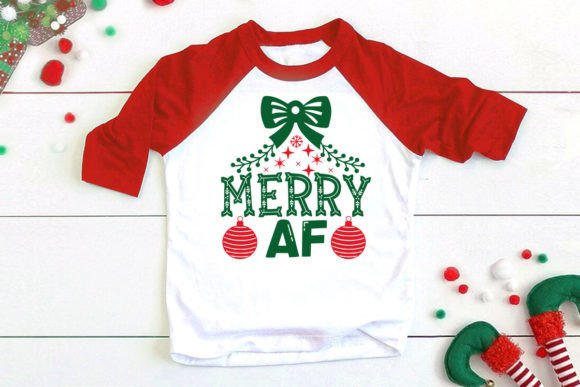
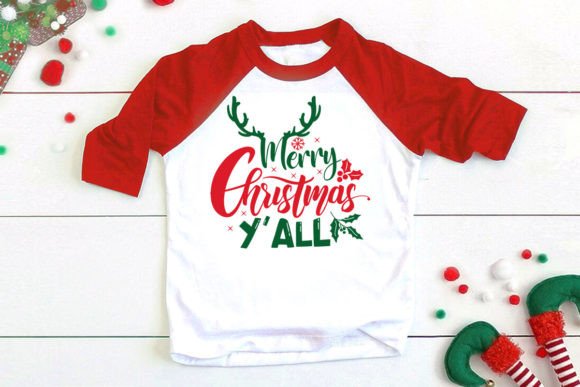
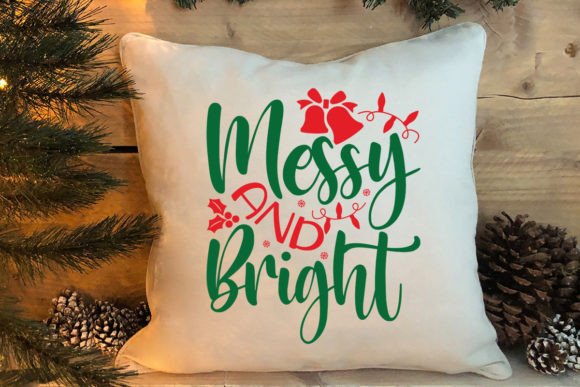
When I first saw Messy and Bright, it immediately caught my eye with its playful, chaotic charm. The design feels like a burst of holiday cheer—vibrant colors, whimsical shapes, and a sense of joy that screams Christmas. It's not the kind of embroidery design that tries to be too perfect; instead, it leans into imperfection in a way that feels refreshing and authentic.
The layout is busy but balanced, with clusters of motifs that don't overwhelm the eye. It has a hand-drawn feel that makes it perfect for projects that want to look handmade or custom. This design would naturally fit well on items like custom apparel, tote bags, or even holiday gift wrap. Its visual personality screams festive and personalized, which is exactly what you want for a handmade product or small shop product.
Real-Life Scenario: Custom Embroidered Tote Bag
Let me walk through how I’d use Messy and Bright in a real project. Imagine preparing a custom embroidered tote bag for a holiday market. The fabric is a medium-weight cotton canvas, and I need the design to stand out without looking cluttered.
Messy and Bright would work beautifully here. Its bold elements would pop against the neutral fabric, making the tote feel festive and unique. However, I'd test the design on scrap fabric first to see how the stitch density affects the texture and whether the thread colors contrast enough for visibility. I’d also check if the hoop size can accommodate the entire design without stretching or distorting the fabric.
One thing to consider is the stabilizer—this design has a lot of detail, so using a tear-away stabilizer would help prevent puckering. For a commercial project, I’d also make sure the embroidery file is compatible with the machines I use and confirm the license terms before selling any finished items.
Where to Use with Caution
While Messy and Bright is a great design for many projects, there are a few places where it might not shine as brightly. For instance, on small hoop sizes, some of the details could get lost or distorted. Similarly, if using it on textured fabrics or thin fabric, the stitching may not hold up as well, especially after multiple washes.
Also, if the design is used on dark fabric, the bright colors may not stand out as intended. In such cases, testing the design in both light and dark backgrounds using a printable mockup is essential. Additionally, placing this design on curved surfaces like caps or layered garments could cause the motif to appear misaligned or uneven.
Visual Appeal and Customer Reaction
From a customer perspective, Messy and Bright is likely to evoke a sense of fun and nostalgia. It’s the kind of design that makes people smile—it feels like a warm, personal touch rather than a generic graphic. For Etsy sellers or craft business owners, this design could be a hit for personalized gifts, holiday gifts, or even nursery decor.
However, the visual appeal depends on how it's applied. If the stitching isn’t crisp or the stitch density is too high, it might look messy in a negative way. Ensuring clarity in the running stitch and satin stitch areas is key to maintaining the design’s charm without sacrificing quality.
For commercial embroidery or small shop products, consistency is important. Using Messy and Bright across different items can help build brand recognition, but it should be paired with other designs that complement its style to avoid overwhelming customers.
Practical Embroidery Designer Notes
Before committing to using Messy and Bright in a project, I recommend a few practical steps:
- Test on scrap fabric to see how the stitch density and thread colors look in person.
- Review the design for small details that might not translate well when stitched.
- Check stitch count and ensure the design fits within your machine’s capabilities.
- Use proper stabilizer to avoid fabric distortion, especially on stretchy or thin materials.
- Confirm licensing if you plan to sell the finished product or use it as a digital embroidery file.
Finally, always create a printable mockup in both black and white and on different fabric backgrounds to visualize how the design will look in real life. This helps ensure that the final finished product meets your expectations and delivers the visual impact you want.